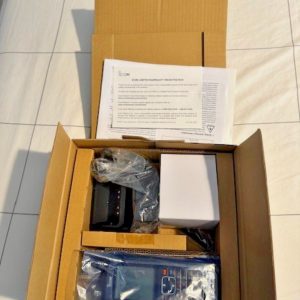
:::writingvariant="document" id="58314" ICOM IC-A25N Handheld NAV/COM Transceiver w/ Bluetooth – Open Box: Reliable NAV/COM Performance The ICOM IC-A25N Handheld NAV/COM Transceiver w/ Bluetooth – Open Box combines user-friendly controls, portable convenience, aviation communication capability, navigation functions, and Bluetooth connectivity. An open-box unit can provide excellent commercial value when the radio, battery, antenna, charger, documentation, and included accessories remain complete and in suitable condition. An ICOM IC-A25N Handheld NAV can support pilots who need a portable radio for cockpit backup, preflight monitoring, flight training, and general aviation communication. An ICOM IC-A25N Aviation Radio can support communication between pilots, air traffic services, flight instructors, ground personnel, and other aviation users where authorized. The compact ICOM IC-A25N Handheld Radio may be especially useful for pilots who operate multiple aircraft or frequently travel between airports and training locations. Choosing a Handheld NAV/COM Aviation Transceiver can support organized flight preparation, backup planning, and portable cockpit communication. Whether pilots need a Handheld Aviation Radio, Aviation NAV/COM Radio, Pilot Handheld Radio, or portable Aircraft Communication Radio, the complete package should be inspected and tested. The handheld format makes the unit relevant to buyers comparing Emergency Aviation Radio, Backup Aircraft Radio, ICOM Pilot Radio, and portable navigation communication equipment.
Key Benefits of the ICOM IC-A25N Transceiver
The radio’s portable construction allows it to support aircraft operations before departure, during flight, after landing, or while personnel are working around the airport. Its practical value comes from combining mobility, recognizable controls, aviation-focused operation, rechargeable power, and multiple communication or navigation functions. The radio may perform very effectively in some environments while experiencing reduced range inside certain aircraft or buildings. Pilots should test the radio during routine conditions and become familiar with its operation before expecting to use it during an urgent situation.Choosing the ICOM IC-A25N Handheld NAV
The ICOM IC-A25N Handheld NAV can support pilots who want portable access to aviation communication and navigation information during flight preparation or cockpit operations. Students may practice menu navigation, frequency entry, memory organization, display interpretation, and accessory setup in a controlled setting. The handheld radio should be operated according to the manufacturer’s instructions and integrated responsibly into the pilot’s overall workflow. Pilots should avoid burying backup equipment under baggage where it cannot be reached quickly during flight.ICOM IC-A25N Aviation Radio Applications
Aviation professionals can carry the IC-A25N when moving between aircraft instead of depending entirely on equipment installed in one cockpit. Maintenance providers may monitor aviation activity while working outside the aircraft or coordinating ground movements. An open-box product should be evaluated carefully even when it appears unused or lightly handled. Testing should occur in a lawful and appropriate manner without creating unauthorized transmissions or interfering with aviation communications.Carrying the ICOM IC-A25N Handheld Radio
Portable operation can be valuable to users who fly several airplane types or who do not control the installed equipment available in every cockpit. Battery contacts, charging ports, headset connections, controls, and the display should remain free from dirt, loose objects, and contamination. Preparation outside the aircraft supports more confident, efficient, and less distracting use during actual operations. The radio should be removed from environments where condensation, fuel, oil, cleaning products, or maintenance debris may cause damage.Handheld NAV/COM Aviation Transceiver Applications
A Handheld NAV/COM Aviation Transceiver combines portable communication and navigation-related capability within one device, making it useful for pilots who value multifunction equipment. Users should consider how frequently the radio will be carried, whether Bluetooth is required, and which accessories are needed for their aircraft or headset. Users should keep the operating guide accessible until they can manage essential functions without hesitation. An equipment log may be helpful for flight schools, shared aircraft, or aviation businesses where several users handle the same device.Handheld Aviation Radio Applications
Handheld radios provide communication flexibility where panel equipment is unavailable, temporarily unpowered, difficult to access, or assigned to another aircraft. Backup capability may help pilots maintain access to important communication options while managing an abnormal situation appropriately. The operating manual and applicable aviation procedures should guide setup and use. Professional radio discipline includes listening carefully, transmitting clearly, using appropriate terminology, and keeping messages relevant.Benefits of an Aviation NAV/COM Radio
The combined platform can be useful during training because students can explore aviation radio functions with one portable device. Important features should be practiced on the ground before the radio is used during high-workload phases of flight. The radio’s navigation-related functions should be used within the limits described by the manufacturer and the requirements of the intended operation. Paired accessories and Bluetooth connections should be tested so unexpected setup issues do not occur during flight.Pilot Handheld Radio Applications
A Pilot Handheld Radio can provide useful communication redundancy during cross-country flights, aircraft delivery, rental operations, training, and travel to unfamiliar airports. Good cockpit organization reduces workload and prevents backup equipment from becoming difficult to reach when needed. Pilots can include the handheld in periodic proficiency exercises without making unauthorized or unnecessary transmissions. Responsible power management is central to maintaining a dependable Pilot Handheld Radio.Maintaining an Aircraft Communication Radio
An Aircraft Communication Radio supports communication between pilots, air traffic services, other aircraft, flight instructors, and authorized ground personnel. Headset and Bluetooth accessories should be tested for microphone quality and audio clarity before operational use. Understanding environmental limitations helps pilots choose the best practical location and operating method. Maintaining physical and electronic condition supports dependable Aircraft Communication Radio performance.Using a Portable Aviation Transceiver
A Portable Aviation Transceiver offers communication mobility for pilots and aviation professionals who are not always positioned inside a powered aircraft. Charging equipment should be identified clearly and kept with the correct radio and battery system. Wireless connectivity may help pilots integrate the radio into a preferred communication setup when paired equipment is supported and configured correctly. The radio should remain usable even when a paired device is unavailable or the Bluetooth connection cannot be restored.Maintaining an Aviation Communication Device
Pilots should select communication equipment according to mission requirements, aircraft type, operating area, training needs, and backup planning. An open box may result from display, return, inspection, testing, damaged packaging, or another non-operational reason. Professional users may maintain records of radio assignment, charging, inspections, damage, accessory inventory, and battery replacement. A well-managed Aviation Communication Device can support efficient and dependable operations across many aviation roles.Maintaining a Handheld Aircraft Radio
The radio’s portable form allows pilots to monitor or communicate without remaining seated at the aircraft instrument panel. Using the radio on the ground can preserve aircraft battery power and reduce the need to energize installed avionics solely for monitoring or coordination. The pilot should route headset cables or charging leads carefully and avoid creating loops that can snag controls or occupants. Charging ports and connectors should remain dry and free from debris before accessories are attached.Using an Aviation Navigation Radio
The IC-A25N may appeal to pilots who want more than communication capability from their handheld flight-bag radio. Competent use comes from practice, realistic expectations, and integration with established navigation procedures. Pilots remain responsible for route planning, weather evaluation, airspace awareness, fuel management, and safe aircraft control. The manual and quick-reference information should be available until the pilot can use important functions confidently.Maintaining an ICOM Pilot Radio
An ICOM handheld can become a standard part of a flight bag for pilots who regularly operate check here rented, shared, or personally owned aircraft. Accessories, manuals, packaging, warranty eligibility, and previous registration may affect the practical and commercial value of the radio. The correct purchasing decision reflects mission, budget, equipment condition, support needs, and actual operational preferences. A protective case and consistent charging routine can help preserve the equipment and prevent missing accessories.Emergency Aviation Radio Benefits
A backup transceiver should be included in emergency planning rather than carried without testing or operational preparation. Users should practice essential operation under calm conditions so frequency entry and audio adjustment remain manageable under stress. The pilot should know how to operate the radio directly if a paired headset or wireless accessory fails. Battery packs should be replaced when capacity declines, physical damage appears, charging becomes unreliable, or the manufacturer’s guidance indicates replacement.Using a Backup Aircraft Radio
The IC-A25N offers portable communication and navigation-oriented functions that can support a layered aviation equipment strategy. The radio should be included in preflight equipment checks appropriate to the planned operation. The pilot should determine whether the radio will be operated through its built-in audio, Bluetooth accessory, or wired headset connection. With thoughtful preparation, a Backup Aircraft Radio can provide valuable confidence without creating unnecessary cockpit complexity.Buying an Open-Box ICOM IC-A25N
Buyers should review the radio body for scratches, cracks, missing labels, damaged controls, loose components, or wear around frequently handled areas. The seller should identify whether original packaging, manuals, warranty materials, and product registration documents remain available. Battery behavior should be observed for unusual heat, rapid discharge, charging failure, physical swelling, or poor connection. Shipment photographs can document package contents and physical condition before dispatch.Routine Care for a Handheld Aviation Radio
A handheld aviation radio can provide many years of useful service when it is protected from impact, moisture, heat, contamination, and careless storage. Inspection frequency may need to increase when the device is shared, carried daily, used outdoors, exposed to maintenance environments, or stored in an aircraft.- Review the complete package and remove the radio from backup service if physical or electronic condition is uncertain.
- Test the complete communication setup in an appropriate manner and understand how to use the radio without Bluetooth if needed.
- Store the radio, battery, charger, antenna, adapters, and documentation in a dry, organized, protected location after use.